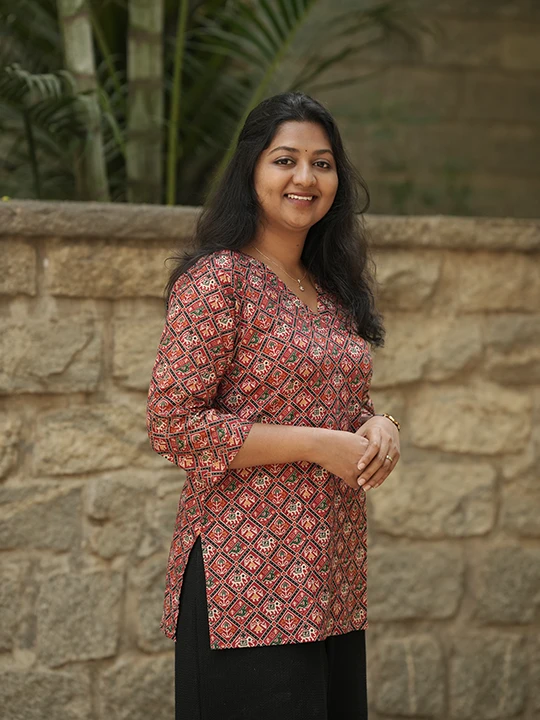
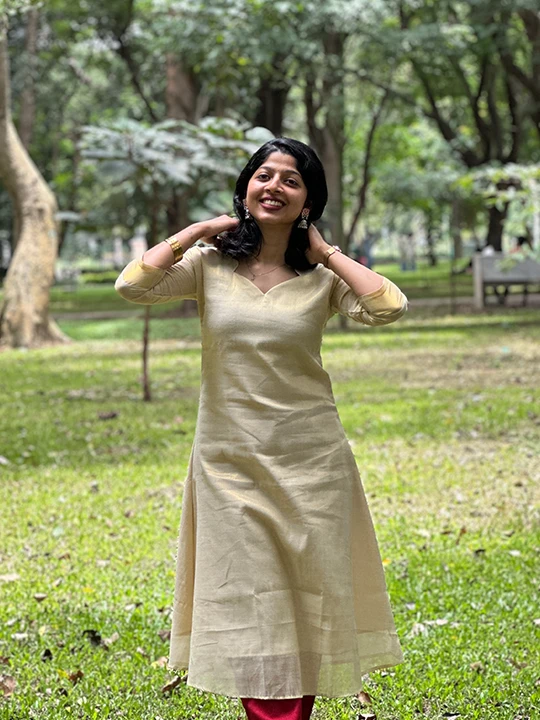
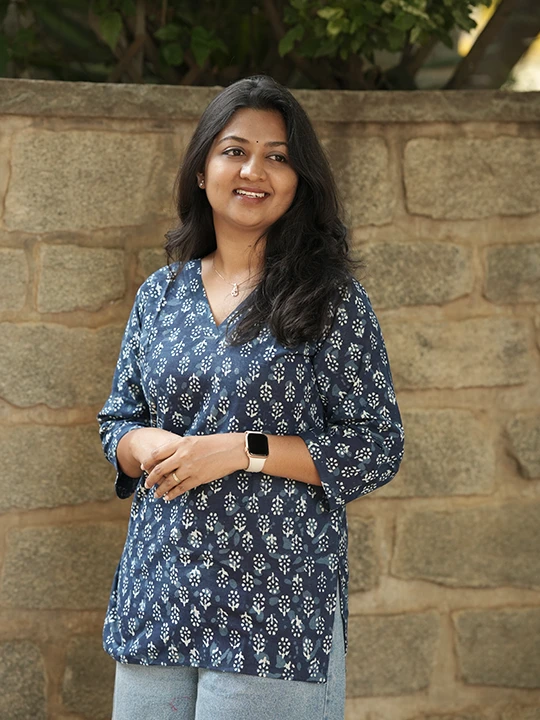
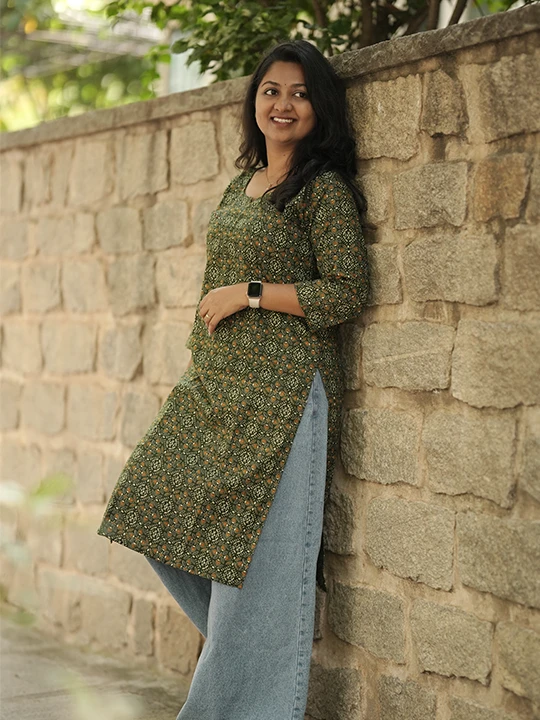
Nivra Special Offers
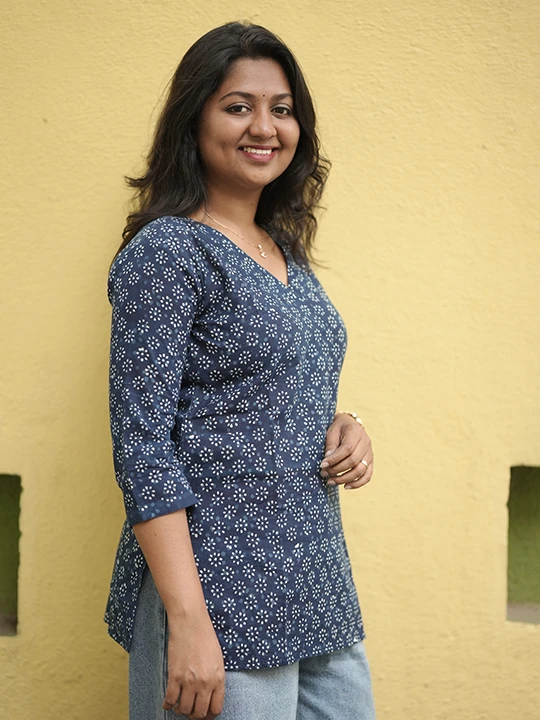
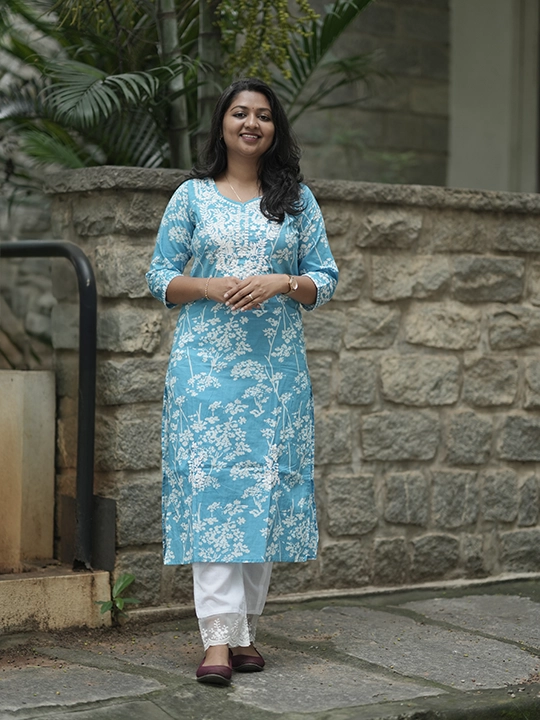
KURTIS GALORE!
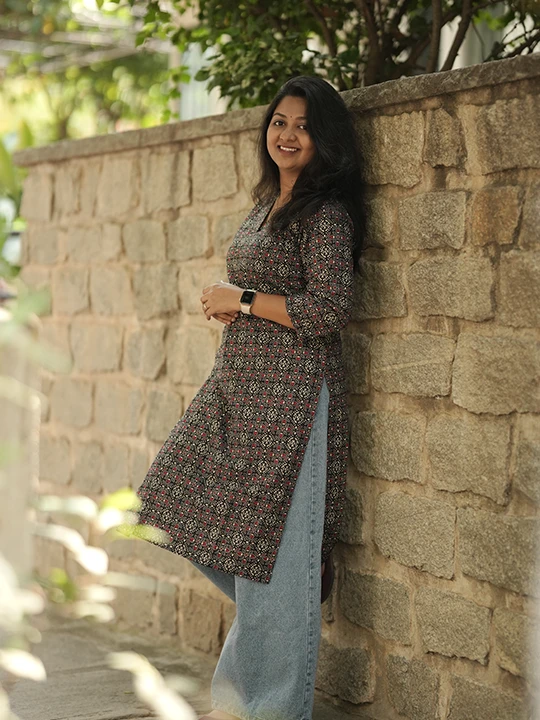
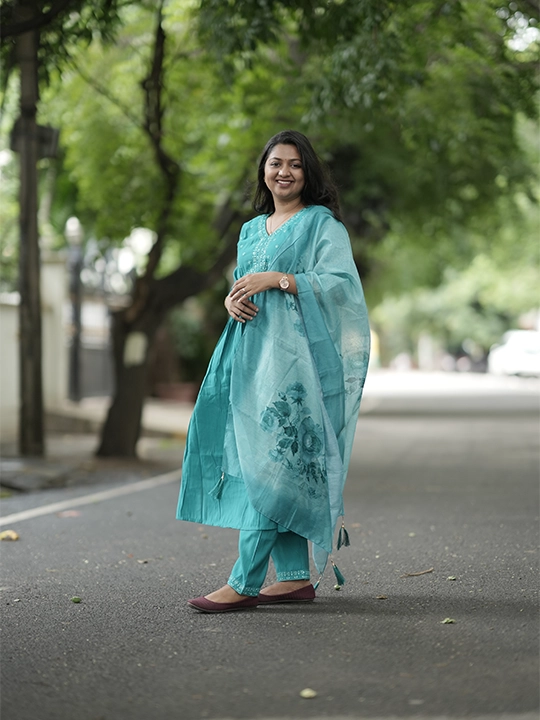
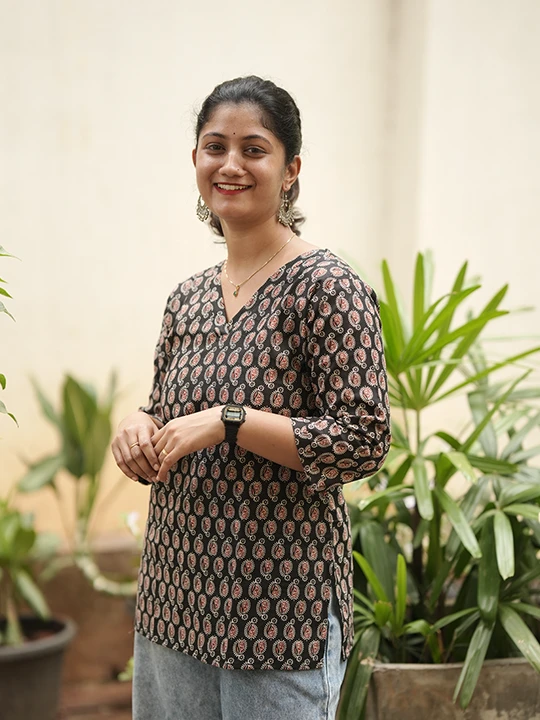
Discover Our Latest Collection – Starting at ₹699
Click for New Arrivals!
Grand Launch Offers
Latest Drop
THREADS OF TRADITION
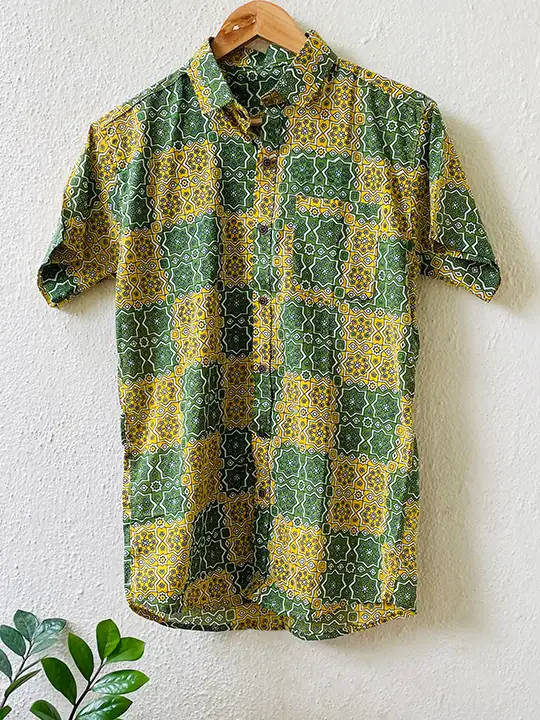
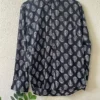
Sapphire Weave Kurta for Men
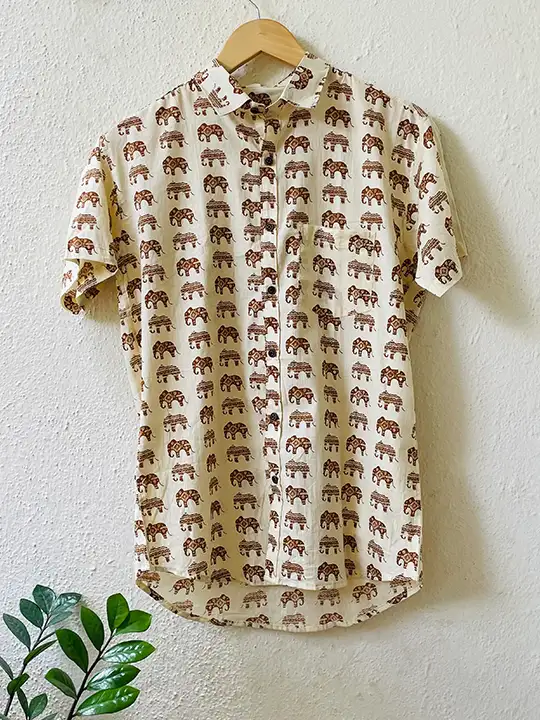
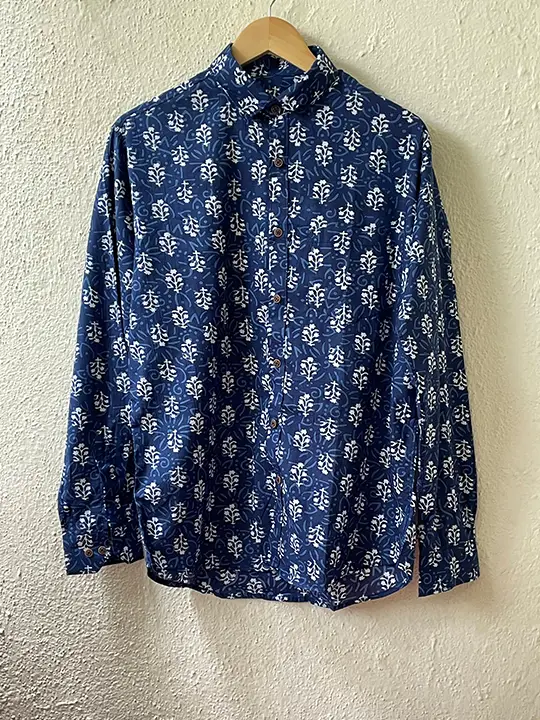
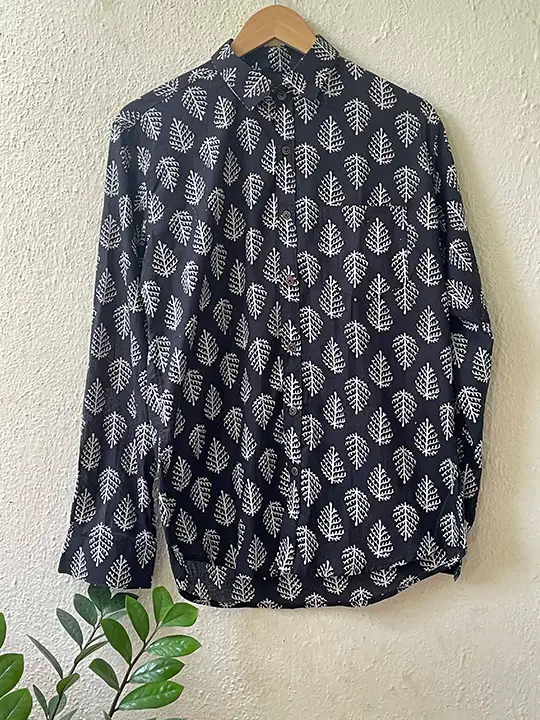
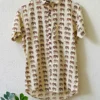
White Ferns – Black Printed Shirt for Men
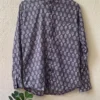
Blue Zig Zag Cotton Kurta for Men
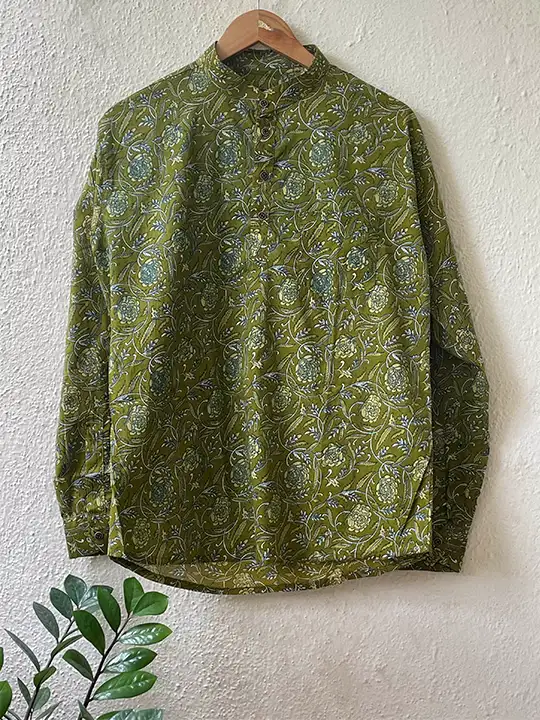
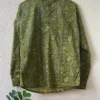
Olive Floral Kurta for Men – Elegant Ethnic Wear
Welcome Offer!
Check New Patterns
from you - happy customers
They have a great collection of ethnic wear for women with so many styles.

Anjali
CustomerI absolutely love their Ajrakh earrings! They are truly a standout piece of earrings.

Harini M
CustomerSuch a pretty and useful wallet! I'm planning to buy a few more as gifts for my loved ones

Divya S
CustomerCurrent articles from Nivra
Current articles from Nivra
Stay updated on the latest fashion trends and styling tips from Nivra.
Different Types of Indian Fabrics and Their Uses
India's textile industry involves a wide range of fabrics, where each fabric has its own history, feel, and charm. Some of the commonly known fabrics include silk, cotton, linen, wool, etc. Continue reading this article to learn more about the types of Indian fabrics, along with the simple tips to help you pick the right fabric for your clothing needs. Types of Indian Fabrics Having a proper understanding of the different Indian fabrics that come not only builds a sense of pride but also helps you pick the most suitable fabric for your clothing needs. When you are aware of the various types of fabrics available, it becomes easier to decide which material works best for outfits. Below are some of the commonly found types of fabrics and clothing materials used across India. Tussar Silk Tussar silk is a rich fabric that comes with a textured finish and golden shine. It is also popularly known as wild silk because it is made from silkworms found in forests. This age-old fabric is mainly woven in regions such as Jharkhand, Bihar, and West Bengal. Tussar silk, which is often handwoven, is commonly used to make outfits such as sarees and shawls. It features simple patterns and classic motifs that can be worn for daily wear and special occasions. Mulmul Mulmul, which is well known for its soft and airy feel, is an excellent fabric for summer. With its origin in the Bengal region of India, Mulmul was once traded widely to places like the Middle East and Europe. Mulmul, which is also called muslin, has a smooth texture that ensures everyday comfort. It is usually made from pure cotton or a cotton blend, making it ideal to wear for long hours. It is also used for the manufacturing of sarees, stoles, or kurtis. Cotton Cotton cultivation began in India more than 7,000 years ago, with the Indus Valley Civilisation among the earliest communities to grow cotton and turn it into cloth. Cotton fabrics produced in India were traded across the world. The cotton textile industry has played an important role in shaping the country's culture and economy. Cotton remains one of the widely preferred fabrics in India, as we experience humid weather in many regions. It allows air to pass through and feels soft on the skin, which makes it an excellent fabric for daily use. Cotton is used to make many kinds of clothing, including kurtas, sarees, dresses, and shirts. Wool Wool is a fabric that plays an important role in the colder parts of northern India, especially in regions such as Kashmir and Himachal Pradesh. Local communities in these regions have been skilled at turning wool into shawls, blankets, and warm clothing. Pashmina shawls are a popular wool clothing item that is well known for their softness, warmth, and premium feel. Kullu and Kinnauri shawls, hailing from Himachal Pradesh, are also admired for their bright colours, detailed designs, and traditional patterns that depict the local culture and craftsmanship. Linen Linen is one of the earliest fabrics known to people. It was earlier used in Egypt, where it was worn by priests and used in burial rituals. It has the ability to absorb moisture, allow air to pass through, and stay durable. This fabric is well-suited for warm weather as it feels cool on the skin. Line, which is made from the fibres of the flax plant, is widely used to create kurtas, dupattas, stoles, trousers, and shirts for men. It is easy to care for linen outfits, and they become softer the more they are washed. Kanjeevaram Kanjeevaram is an Indian fabric name that we would have heard at least once while searching for sarees. Known by various other names such as Kanchipuram or Kanivaram silk, it has its origin in the town of Kanchipuram in Tamil Nadu. Kanjeevaram silk features bold colours, detailed designs, and rich zari patterns. The fabric is strong and long-lasting, which makes it ideal for special occasions and festive wear. Chanderi silk The Chanderi town in Madhya Pradesh is the origin of Chanderi silk, which has a long history that goes back to the 11th century. In the early days, this fabric was made mainly from cotton, to which silk was added later to give it a richer look. Chanderi fabric became widely known for its lightweight and slightly sheer texture during the Mughal period and was often chosen by royal families. Chanderi silk in modern times combines the richness of silk and the comfort of cotton. The fabric feels light on the body and is suitable for regular wear while still looking neat and well finished. Chanderi fabric is commonly used to make traditional outfits such as sarees and lehengas. The detailed designs and zari work done with gold or silver threads add a traditional charm to the fabric. Jamdani Jamdani fabric, also known as Dhakai, comes from the Bengal region of India. It gained great popularity during the Mughal period. It is a finely woven cotton fabric that is light, soft, and allows air to pass through easily. Jamdani is sometimes mistaken for muslin. The fabric contains detailed handwoven designs, often created using gold or silver threads. Due to its rich appearance, Jamdani is commonly used to make traditional ethnic outfits. The geometric patterns add character to this fabric. Maheshwari Maheshwari fabric, originating from the Maheshwar town in Madhya Pradesh, was introduced by Queen Ahilyabai Holkar in the 18th century. The fabric was created for the royals due to its rich look and unique designs. The fabric often features patterns such as stripes, checks, and floral designs. Maheshwari fabric, which is made by combining silk and cotton, creates a light feel, making it comfortable to wear. Various traditional outfits, including sarees, suits, and lehengas, are manufactured using Maheshwari fabric. Silk Silk remains a staple fabric for celebrations and special events due to its soft feel and rich look. The shineness makes your outfit bright and adds charm, which makes it suitable for festive and traditional wear. Sarees, lehengas, suits, and sherwanis made from silk are always popular outfit choice for weddings, festivals, and cultural ceremonies. How to Choose the Best Fabric for Your Outfit Here are the points to keep in mind before picking the right fabric for your outfit: Occasion: While selecting fabric for your outfit, think about the occasions for which you will be wearing that outfit. Rich materials like silk or brocade are ideal for formal events. For daily and casual wear, choose cotton and linen fabrics. Weather: In warm weather, go for breathable fabrics such as cotton and linen, as they can keep you comfortable all day long. Try thicker options like wool or pashmina for cooler climates. Comfort: The fabric of your outfit should always feel soft on your skin and allow you to move freely throughout the day. Fabric Care: Some fabrics may need extra care. So, pick materials that can fit your lifestyle, and depending on how much maintenance you are comfortable with. Personal Taste: Pick fabrics that match your style and make you feel confident. The right fabric can instantly improve your overall look. Wrapping Up The traditional clothing in India is a reflection of our culture, heritage, and skilled craftsmanship. Each fabric has its own character and purpose. Learning about the different types of Indian fabrics will help you value this craftsmanship and choose the right fabric when selecting traditional outfits. Choose from the wide variety of fabrics while ensuring they are suitable for the occasion and your personal style. Related Topics Handloom Fabrics Best Fabrics for Kurtis Printed Fabric Care Traditional Indian Prints Frequently Asked Questions on Types of Indian Fabrics What are the most popular types of Indian fabrics? Cotton, khadi, silk, and linen are some of the most loved Indian fabrics. Silk varieties like Banarasi, Kanjeevaram, and Tussar are especially famous for their rich look and traditional value. Chikankari, Bandhani, and Ajrakh are other regional fabrics in India that are widely popular due to their unique designs. Which Indian fabric is best for summer? Cotton, linen, and khadi are among the most popular summer Indian fabrics. These fabrics allow air to pass through and help keep the body cool. Cotton absorbs sweat easily, linen feels light and breathable, and khadi is gentle on the skin and comfortable in high temperatures. What is the difference between Jamdani and Mulmul? Jamdani and Mulmul are both cotton fabrics from Bengal, but they differ in design and texture. Jamdani features detailed patterns woven directly into the fabric on the loom, creating raised motifs on a light base. Mulmul is a very soft, lightweight, plain cotton fabric with minimal designs and is mainly valued for comfort. Which silk fabric is best for weddings? Kanjivaram silk and Banarasi silk are popular choices for traditional weddings. They are known for their rich texture, detailed weaving, and elegant shine. Kanjivaram silk gives a bold and royal look, while Banarasi silk offers timeless elegance. Silk satin and organza are also preferred for Western-style wedding gowns due to their smooth finish and structure. Are Indian fabrics handwoven? Yes, many Indian fabrics are handwoven. India is one of the largest producers of handloom textiles in the world, and handloom weaving is a major source of employment after agriculture. Popular handwoven fabrics include silk, khadi, and cotton.
A-line Kurti Designs for Women – Styles, Fabrics & Fit Guide
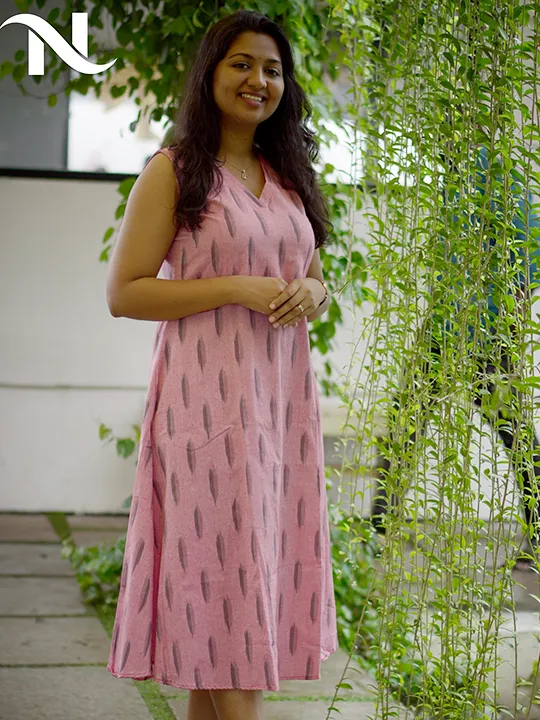
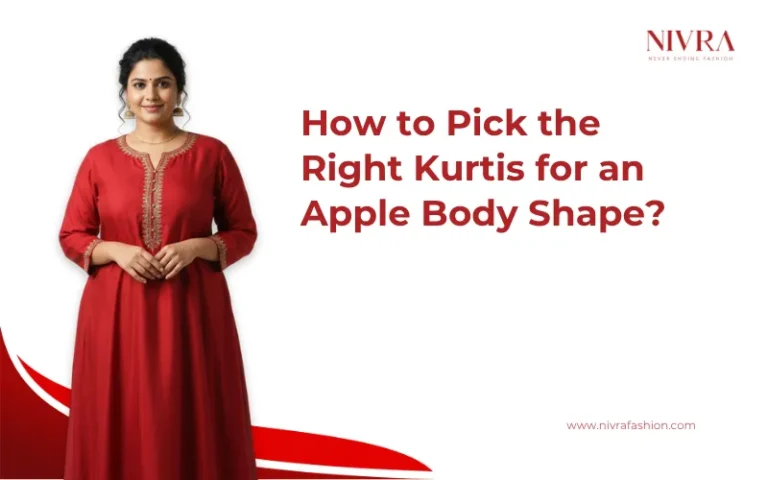
One of the classic ethnic outfit choices for women, which is popular across various age groups, is the A-line kurti that offers comfort and a neat look. A-line kurtis are suitable for both casual outings and special events. In this article, you will learn about the different A-line kurti designs, understand the types that suit various body shapes, and find simple styling tips to wear them with confidence. What Is an A-line Kurti? An A-line kurti gets its name from its shape, which looks like the letter letter “A.” It fits well around the shoulders and bust and slowly flares out towards the bottom. This design creates a stylish look and suits many body types. An A-line kurti works well for both daily wear and special occasions. Benefits of A-line Kurtis A-line kurtis are loved for their comfortable fit and versatile design that suits many occasions. Described below are some of the notable benefits of A-line kurtis: Easy to wear: They are light, breathable, and allow free movement, which makes them ideal for long hours of wear. Works well for many occasions: You can style them in different ways for office wear, casual outings, or festive events. Suits most body types: The flared shape highlights the upper body while providing enough space around the waist and hips for comfort. Different Types of A-line Kurti Designs for Women A-line kurtis are available in various styles and prints, where each style offers a different look and feel. Listed below are some of the latest A-line kurti designs for women that are popular for their comfort and easy styling. Simple A-Line Kurti It comes with a clean design and easy fit with little or no decoration, which makes it ideal for everyday use. It is comfortable to wear for long hours and looks neat without much effort. You may pair it with leggings, palazzos, or jeggings. Best for: Daily wear, office use Flared A Line Kurti A flared A-line kurti that comes with a wider hem will offer a soft, flowy look. The extra flare will add movement and style to your outfit. These kurtis often come with attractive prints or light embroidery, so you can easily wear them for get-togethers and small celebrations. Complete your look with statement earrings and comfortable flats. Best for: Casual outings, parties Asymmetric A Line Kurti What makes an asymmetric A-line kurti stand out is its uneven hem, which gives a contemporary touch to this ethnic outfit. It looks visually appealing and fashionable for special events and celebrations. You can pair it with churidars or fitted pants. Best for: Festive occasions, weddings High Low A Line Kurti High-low A-line kurtis come with a shorter front hem with a longer back, which helps create a stylish and modern look. This design adds a fashionable twist while still keeping the outfit comfortable. Wear ankle-length leggings or jeans with high-low A-line kurtis for a smart and trendy look. Best for: Casual and semi-formal events Layered A Line Kurti Layered A-line kurtis, which are designed with more than one fabric layer, add depth and a flowy feel to the outfit. These kurtis are ideal for evening events and special functions. Try styling a layered A-line kurti with bold accessories and heels to complete the look. Best for: Special occasions and evening wear Jacket Style A Line Kurti Jacket style A-line kurtis come with a matching or attached jacket to give your outfit a more structured and formal touch. You can wear them for office settings and formal occasions. You may style a jacket-style A-Line kurti with straight-fit pants or leggings to keep the outfit clean and professional. Best for: Office wear and formal events. A Line Kurti Styles Based on Body Shape Choosing the right A-line kurti based on your body shape helps enhance comfort and appearance. Here is a quick and easy guide to help you pick the best A-line kurti based on your body shape. Body Shape Best A Line Kurti Style Why It Works Pear Shaped Flared A Line Kurtis They help balance wider hips while drawing attention to the upper body. Inverted Triangle Simple A Line Kurtis The flared bottom helps balance broad shoulders and give a more even overall look. Apple Shaped High Low A Line Kurtis They make the upper body look longer and create a balanced appearance. Hourglass Shaped Fitted A Line Kurtis They highlight the waist and enhance your natural curves Rectangle Shaped Layered A Line Kurtis They add volume and create curves, making your body look more stylish and balanced. Best Fabrics for A-line Kurti Designs The fabric plays an important role in the look and feel of your A-line kurti. Here are some popular fabric options to consider: Cotton: Cotton A-line kurtis are soft, breathable, and comfortable. They are perfect for casual wear, especially in warm weather. Silk: Silk A-line kurtis are ideal for parties, festive occasions, and special events. Chiffon: Chiffon A-line kurtis are light and flowy, which offers a graceful look. They are suitable for evening gatherings or celebrations. Crepe: Crepe A-line look modern and stylish kurtis, which are perfect for office wear or casual outings. Wrapping Up A-line kurtis for women are a classic and versatile outfit choice that suits any occasion. A-line kurtis are available in various styles and colours to match your style and body shape. At Nivra, we have a vast collection of women's kurtis online, including A-line kurtis, which combine comfort, style, and modern design. Browse our collection today to find the ideal kurti that suits your taste and adds a stylish touch to your wardrobe. Frequently Asked Questions on A-line Kurtis Designs What is an A-line kurti design? An A-line kurti is an ethnic Indian wear that flares out from the shoulders to the hem, resembling the shape of the letter "A". It is comfortable to wear and suits almost every body type. Can I wear A-line kurtis for formal occasions? Yes, A-line kurtis such as jacket-style or asymmetric designs work well for office wear, meetings, and other formal occasions. What body type suits an A-line kurti? A-line kurtis suit almost every body type as they fall smoothly from the waist and create a balanced silhouette. They are especially flattering for pear-shaped and apple-shaped bodies, helping balance the hips and conceal the midsection.
Earrings for Kurti – Best Styles and Styling Tips
Kurtis are one of the most loved outfits in every woman's wardrobe. They are easy to wear, comfortable, and work well for daily wear, office outfits, festive events, and family gatherings. Even though a kurti will look stylish on its own, the right accessories, especially earrings, can make it stand out even more. Read further as this article will help you find the best earrings for kurtis and provide simple styling tips to match your kurtis perfectly. Importance of Earrings When Styling a Kurti Earrings are not just accessories; they can help highlight your face and complete your kurti look. When choosing earrings, it is important to match them with your kurti's neckline, fabric, and the occasion. As different types of earrings are available, you may choose simple or bold earrings according to your taste to enhance your overall appearance. Top Earrings for Kurtis Here are some of the most popular earrings to wear with kurtis to suit different occasions and enhance your overall look. Stud Earrings Studs are a neat and easy option for daily wear kurtis, including cotton and printed kurtis. You can wear stud earrings to the office, casual outings, or daily use. Jhumkas Jhumkas are ethnic earrings for kurtis with embroidery, mirror work, or rich details. These earrings, which add a traditional charm to your kurtis, are perfect for festivals, family functions, and weddings. Chandbali Earrings Chandbali earrings have a beautiful curved shape that suits Anarkali or flared kurtis very well. These earrings add a festive feel and look great with rich colours and fabrics like silk or brocade. Tassel Earrings Tassel earrings add a modern touch to Indo-Western kurtis. They are light, colourful, and perfect for casual outings, brunches, or semi-formal events. Hoop Earrings Hoop earrings are stylish and easy to pair with straight cut or A-line kurti designs. Metallic hoops offer a smart look, whereas colourful hoops add a fun element. Drop Earrings Drop earrings pair well with long kurtis that have simple designs and are a good choice for formal or special occasions. Best Earrings to Wear with Different Kurti Styles Here is a simple guide to help you choose the best earrings for your kurtis based on different kurti styles: Type of Kurti Best Earring Styles Styling Tip Straight Cut Kurtis Hoops, Tassel earrings, Small jhumkas Try hoops or tassels for a modern look, and small jhumkas for a traditional touch. Anarkali Kurtis Chandbalis, Heavy jhumkas These kurtis demand bold earrings. Angrakha Kurtis Drop earrings, Oxidised earrings These earrings highlight the overlapping kurti design. Short Kurtis Hoops, Tassels, Small studs Wear these earrings for a trendy and simple look. Asymmetric Kurtis Geometric or contemporary designs These earrings complement the edgy hemline. How to Choose the Right Earrings for Your Kurti By picking the right earrings for your kurti, you can enhance the overall look of your outfit. Choose Earrings Based on the Neckline For high-neck kurtis, try simple studs or small drop earrings. Jhumkas or chandbalis pair well with V-neck and boat-neck kurtis. Wear minimal earrings like tiny hoops or classic studs for collared kurtis. Occasion Lightweight studs or hoops are comfortable and practical for daily use. Try bold jhumkas or chandbalis to add charm to your kurtis for parties or festive events. Pay Attention to Colours Wear earrings that go well with the shades and details of your kurti Play With Different Styles Mix and match traditional earrings with modern kurtis to create a fresh and stylish look. Takeaway The right earrings for kurtis depend on your personal interests, kurti pattern and the occasion. Some of the most popular choices include jhumkas, chandbalis, tassel earrings, etc. Browse the collection of earrings at Nivra to find your perfect accessories that can complete your outfit. Frequently Asked Questions on Earrings for Kurti Can we wear jhumkas with cotton kurtis? Yes, you can pair jhumkas with cotton kurtis. Jhumkas add a traditional touch and are suitable for both daily wear and formal occasions. What earrings go well with straight cut kurtis? Straight cut kurtis pair well with hoops or tassel earrings for a trendy look. Small jhumkas are also a good choice for a traditional style.
Block Print Kurtis – Benefits, Styling Tips & Care Guide
Block printed kurtis that offer comfort, style, and tradition work well as an outfit for daily use or special occasions. Made from breathable fabrics, block-printed kurtis are well known for their bright colours and detailed prints. They carry the beauty of skilled craftsmanship that has been passed down through generations. Continue reading this article to learn the benefits of block-printed kurtis, along with the tips on how to style and care for them, so they remain stylish and wearable for many more years to come. What Are Block-Printed Kurtis Before learning the benefits, styling tips and how to care for block printed kurtis, it is important to know what is block printing and why it is so valued. Block printing is a traditional textile technique where patterns are hand-carved onto wooden blocks and stamped onto fabric. Each block-printed kurti has its own charm, as no two prints turn out exactly the same. It is a reflection of India's rich cultural heritage and skilled craftsmanship. Block-printed kurtis are also an eco-friendly choice as they are often made using natural dyes and fabrics, which makes them both stylish and meaningful to wear. Benefits of Block-Printed Kurtis Block printed kurtis are made using traditional handwork printing techniques. They reflect our culture, and you can wear them as an everyday outfit. If you are searching for clothing that feels unique, comfortable, and meaningful, block-printed kurtis are an excellent option. Here are some of the popular benefits of block-printed kurtis that make them so popular. Reflects Indian Culture Block printing is a traditional fabric printing method that started in India many years ago. In this technique, artisans carve patterns onto wooden blocks and press them onto fabric to create beautiful designs. As block-printed fabrics are printed by hand, every piece remains slightly different from the other. Block printing is a time-consuming process that involves skilled craftsmanship. Unique Designs Printed by Hand As the designs in block-printed kurtis are printed by hand, no two kurtis will look exactly alike. The small differences in colour and pattern will add character to the outfit and highlight the skill of the artisans. Block print kurti designs are available in floral themes, classic motifs, etc, where each piece represents our traditional culture in a unique way. Scope for Customisation Some block printed kurtis come with customisation options to choose the fabric, colours, and prints based on your preferences. By adding a personal touch, you can easily create a kurti that feels unique and matches your own style. Easy to Care and Long Lasting Block-printed kurtis are simple to maintain, and they last for a long time. They use strong and comfortable fabrics, which make them suitable for daily use. Follow simple block-printed kurti tips, you can maintain the colour and design, and keep them looking good for a long time. Easy to Style for Different Occasions There are many easy ways in which you can style block printed kurtis. Style them with jeans or leggings for everyday outings, or pair them with skirts or wide pants for a more dressed-up look. As block-print kurtis are available in many prints and patterns, you can easily find a block-printed kurti that suits your personal style and fits different occasions. Breathable Fabrics for Daily Comfort Block-printed kurtis are mostly made using fabrics such as cotton, linen, and silk, which feel light on the skin. These airy fabrics offer comfort throughout the day, and they are especially suitable for hot weather. Eco-Friendly Clothing Block-printed kurtis are an excellent choice for those who care about the environment. They are made using natural dyes and traditional printing methods that involve fewer chemicals. So by wearing block-printed kurtis, you are choosing clothing that is better for the planet. Keeps Traditional Skills Alive When you purchase a block-printed kurti, you are supporting skilled artisans and their local communities. These artisans have passed down their skills through generations, which helps keep this tradition alive. Classic and Timeless Style Block printed kurtis with their detailed patterns and rich colours will stay relevant no matter the season or trend. So traditional block print kurti designs will remain a reliable and stylish outfit choice for daily use. How to Style Block Printed Kurtis You can easily style block-printed kurtis that suit well for everyday wear and special occasions. With the right bottoms, footwear, and accessories, you can style block-printed kurtis to create a look that feels comfortable, well put together, and suitable for any setting. Choose Straight Fit Trousers or Palazzos Pair your block-printed kurti with straight-fit trousers or palazzos to keep the outfit structured while allowing the prints to stand out. Choose neutral or solid coloured bottoms so that the prints in the kurti will remain the main highlight. Try pairing simple accessories and classic juttis or flats to achieve a stylish outfit that can be worn for daily wear or casual outings. Choose the Right Accessories Accessories do play an important role in completing the look of block-printed kurtis. You can try bold earrings, layered necklaces, or simple bangles that match the print and colours of your kurti. Avoid too many heavy pieces so that the print remains the highlight. You may wear classic gold or silver jewellery as they work well for most styles. Pair your hand block print kurtis with a stylish handbag and comfortable footwear that suits the occasion. Try Various Kurti Lengths Block printed kurtis are available in various length types, such as short, mid-length, and long styles, which help create a different look. A knee-length kurti pairs well with leggings or slim pants, while longer kurtis can be styled with a belt to add a modern touch. Style with a Denim Jacket To bring in a fresh and trendy look to your block-printed kurti, pair it with a denim jacket, which works well for casual outings. Pick a well-fitted jacket that matches or contrasts nicely with the colours of your kurti. You can keep the jacket open or button it up. You can complete the look with sneakers or ankle boots for all-day comfort and style. Experiment with Colours and Prints Block-printed kurtis are well known for their rich colours and detailed patterns. Try different kurti colour combinations. Pair your kurti with contrast bottoms or simple accessories. You may also choose a kurti with eye-catching prints and keep the rest of your outfit minimal so the design of your kurti stands out clearly. Season-Based Styling Ideas You can easily style block-printed kurtis across all seasons. Choose lightweight fabrics with bright prints to stay comfortable during the summer season. In winter, add layers like a long cardigan, shawl, or jacket to keep yourself warm. Pair your kurti with churidars or thermal leggings during colder days. Try Block Printed Maxi Kurtis Maxi kurtis with their long, flowy shape offer a flattering look, ease and comfort. It also works well as a one-piece outfit or can be styled with a belt. You can dress it up with bold jewellery for special events or keep it simple with flat sandals for casual outings. How to Care for Block Print Kurtis Block-print kurtis need gentle care to keep them looking their best. With the right washing, storage, and care methods, you can protect the fabric, colours, and prints so that you can wear your favourite kurtis for a long time. Washing and Drying Tips for Hand Block-Printed Kurtas Given below are the right washing and drying tips that can help block printed kurtis look good for a long time. Before the First Wash: Before wearing a new block-printed kurti, soak it in cold water mixed with a little salt for about 10 to 15 minutes. This process will help the natural colours to stay longer and reduce colour bleeding. Choose Hand Wash: Always wash your kurti by hand using a mild detergent. Do not use strong soaps or chemicals that can damage the print and fade the colours. Use Cold Water: Wash your kurti only in cold water, as hot water may shrink the fabric and make the colours look dull. Wash Separately: Wash block printed kurtis separately, especially during the first few washes, to prevent colour transfer to other clothes. Dry in Shade: Dry the kurta in a shaded place. Avoid drying in direct sunlight as it can fade natural dyes, especially on light coloured kurtis. Avoid Twisting the Fabric: Do not wring the kurta. Press out excess water gently and hang it on a hanger or lay it flat to maintain its shape. Ways to Store Block Printed Kurtas Storing your block-printed kurtis in the proper way is also important when it comes to caring for these kurtis, as it will help maintain fabric quality, colour, and fit over time. Choose Cloth Covers for Storage: Do not use plastic covers to store your block-printed kurtis. Use cotton or cloth covers, which will allow air to pass through and avoid moisture from getting trapped. Store in a Dry Place: Try to store these kurtis in a clean, dry cupboard. You may also add neem leaves or silica gel to protect the fabric from dampness and insects. Fold Kurtis: Instead of hanging soft cotton and silk kurtas, fold them neatly to avoid stretching and keep the shape intact for longer. Ways to Maintain the Look of Block Printed Kurtas You can follow these simple tips to keep the colour and design of the kurtis beautiful for a long time. Iron Carefully: While ironing your kurti, turn it inside out and use low to medium heat. You may also place a thin cotton cloth on top to protect the printed areas. Avoid Strong Products: When you use bleach or harsh cleaners on block-printed kurtis, they can fade the print and weaken the fabric. So, always use mild washing products for cleaning these kurtis. Avoid Wearing Them Often: Avoid wearing the same kurti too often, as it can help reduce wear and keep each piece in good condition for a longer period. The Bottom Line Block-printed kurtis are comfortable to wear, easy to style, and suitable for many occasions. Each kurti, which is made with care by skilled artisans, reflects India's rich cultural heritage. With the right care, your block-printed kurti can stay fresh and wearable for a long time. By choosing block-printed kurtis, you are also supporting local artisans and eco-friendly fashion. Frequently Asked Questions on Block Print Kurtis What are block print kurtis? Block hand-printed Indian kurtis are traditional outfits made using hand-carved wooden blocks and natural dyes to create patterns on fabric. These kurtis have a unique handcrafted look, offer comfort, and can be worn as daily wear as well as for special occasions. Are block print kurtis good for daily wear? Yes, block print kurtis are suitable for daily wear because they are lightweight, comfortable, and usually made from breathable fabrics like cotton, which help keep you comfortable in warm weather. How can you identify original hand block print kurtis? Original hand block print kurtis can be identified by minor irregularities in the design, soft natural colours, visible overlaps in patterns, and lighter colour marks on the reverse side of the fabric, as each print is created by hand. Do block print kurtis fade after washing? Block print kurtis may fade slightly over time, especially if not washed properly. As natural dyes are commonly used, washing in cold water, using mild detergent, and drying in shade helps maintain the colour and print quality. Can block print kurtis be worn for festive occasions? Yes, block print kurtis can be worn for festive occasions. Choosing designs with rich colours, detailed patterns, and pairing them with traditional accessories can create a festive and elegant look.
Brand Story
Celebrate Every Moment with Ajrakh-inspired Ethnic Looks by Nivra
Welcome to Nivra Fashion, where we create handcrafted ethnic wear, designed for both men and women Our collection, inspired by timeless Ajrakh prints, features unique pieces that blend comfort, tradition, and style. Explore our exclusive ethnic wear and accessories, thoughtfully designed for the modern woman to slay in style. At Nivra, we bring in a signature style of clothing and accessories featuring the elegance of Ajrakh prints. Our curated collection includes kurtis, sling bags, wallets, and statement earrings, each showcasing the rich detail and cultural depth of Ajrakh patterns.
Shop Our Signature Collections of Ethnic Wear for Women & Men, Along with Stunning Accessories
At Nivra, we bring together tradition with everyday comfort, offering affordable ethnic fashion for daily wear. We also bring you a unique range of handcrafted ethnic accessories, from sling bags and wallets to statement earrings. ...
Cloth Wallets
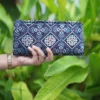
Check out our stylish and traditional handmade cloth wallets for women, a graceful touch for your daily essentials.
Small Sling Bags
Our ethnic sling bags are crafted to bring a graceful twist to contemporary accessories, blending tradition with everyday style.
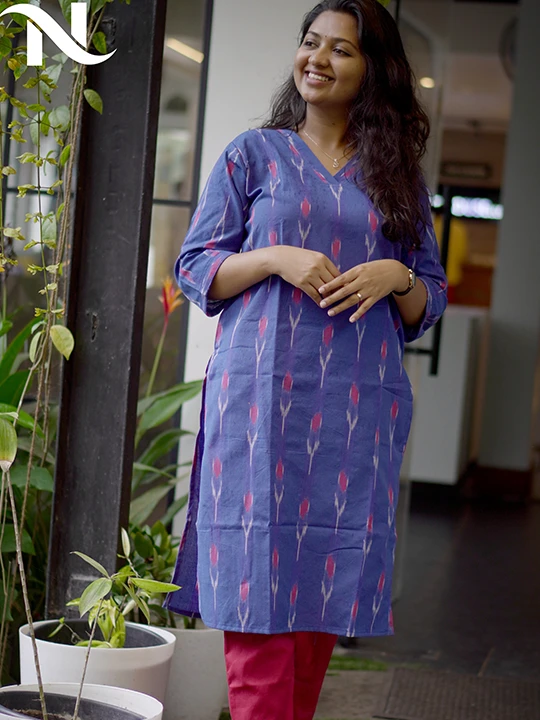
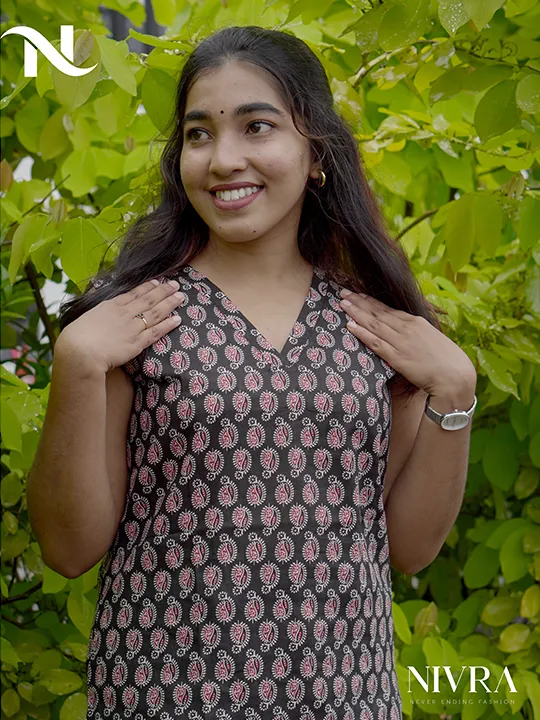
Short and Long Kurtis
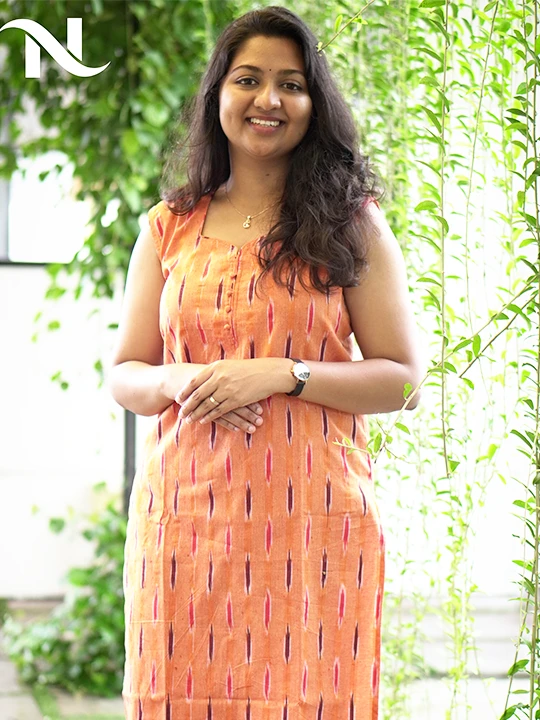
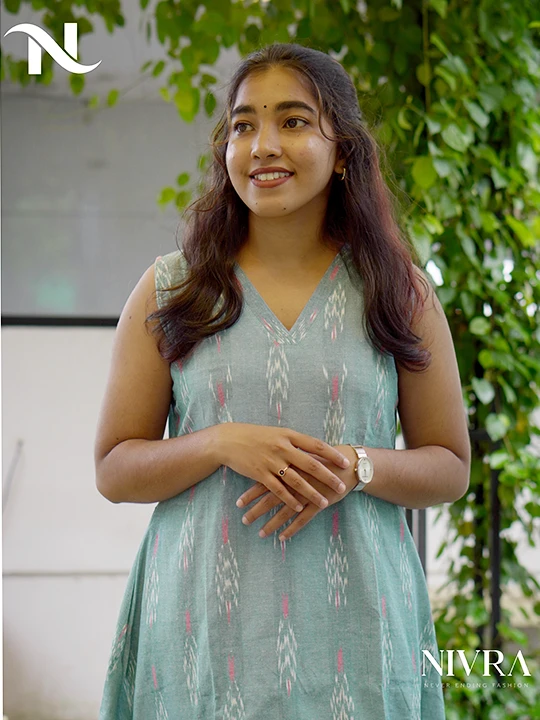
Explore our collection of short and long indian kurtis that add classic Ajrakh beauty to your everyday looks.
Black Cotton Palazzo Pants
Pair your favourite kurtis with our stylish black cotton palazzo pants, designed for ultimate comfort.
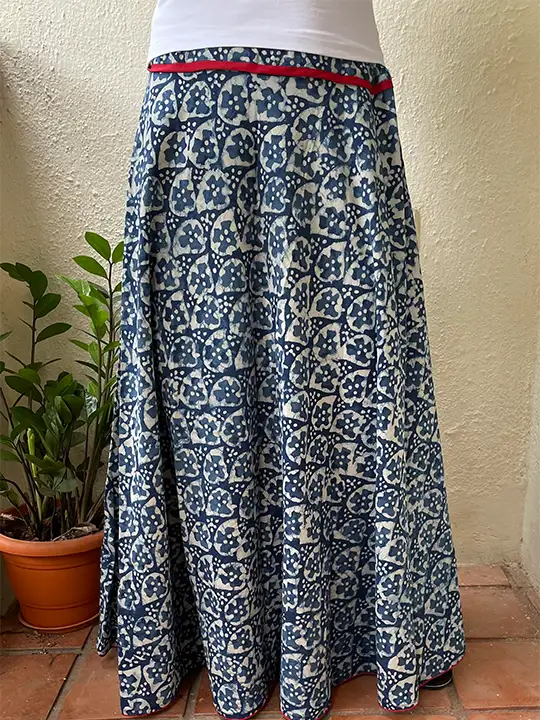
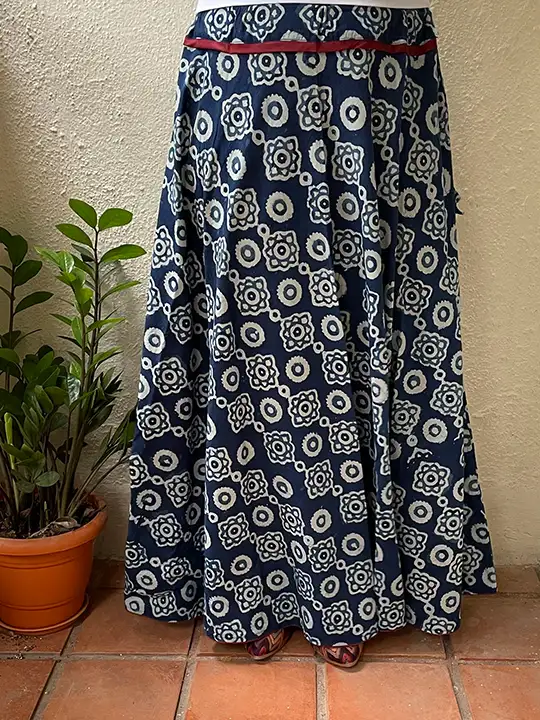
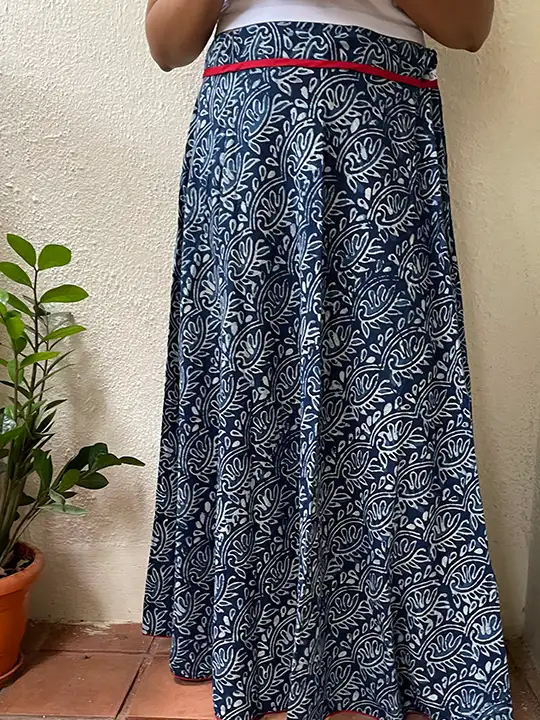
Skirts
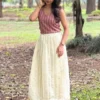
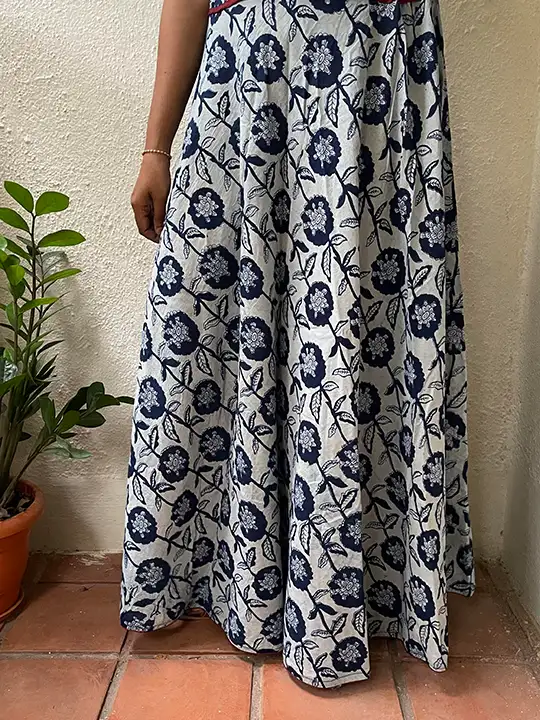
Our collection of ethnic skirts is a versatile pick for any occasion, perfect for festivals, casual outings, or travel days.
Two-Piece Co-ord Sets
Feel the real spirit of style with our stylish two-piece co-ord sets, that suit any occasion, from festive to casual.
Earrings
Shop our handcrafted Ajrakh traditional Indian earrings that add bold and unique charm to your style.
Handbags
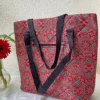
Our handcrafted handbags featuring Ajrakh prints are stylish accessories for daily use and festive occasions, a pure blending of traditional artistry with modern design.
Churidar Set
We offer a huge collection of churidar sets to suit your everyday style, office look, and festive occasions. Whether you love bold patterns or prefer simple, subtle designs, we have something for everyone.
Why Choose Nivra?
Inspired from the Ajrakh prints we offer clothing and accessories to add style to your everyday looks. Through our brand, we support skilled artisans by showcasing their handcrafted accessories. We use top-quality fabric that is soft on the skin, long-lasting, and comfortable enough to wear all day. We believe in honouring the rich tradition of Indian clothing in a modern way.
Free Shipping
Standard ShippingSecure Payment
100% Risk-free ShoppingSpecial Campaigns
Guaranteed SavingCustomer Service
Seamless ReturnAbout NIVRA
Nivra is an online brand crafting clothing and accessories that features the beauty of Ajrakh prints. We specialize in creating statement pieces, from earrings to sling bags, that add a touch of culture and style to your everyday look.
COMPANY
Newsletter
- +91 8129567746
- care@nivrafashion.com